
A FIVE-STEP READING PATH • LANGUAGE LEARNING

The best books for
learning a new language, in a clear reading order.

Start with a learning method, then explore sound, useful vocabulary, conversation, and progress. Each step pairs a common learner question with books that can help.

Start the reading path 5 steps • 6 recommended books
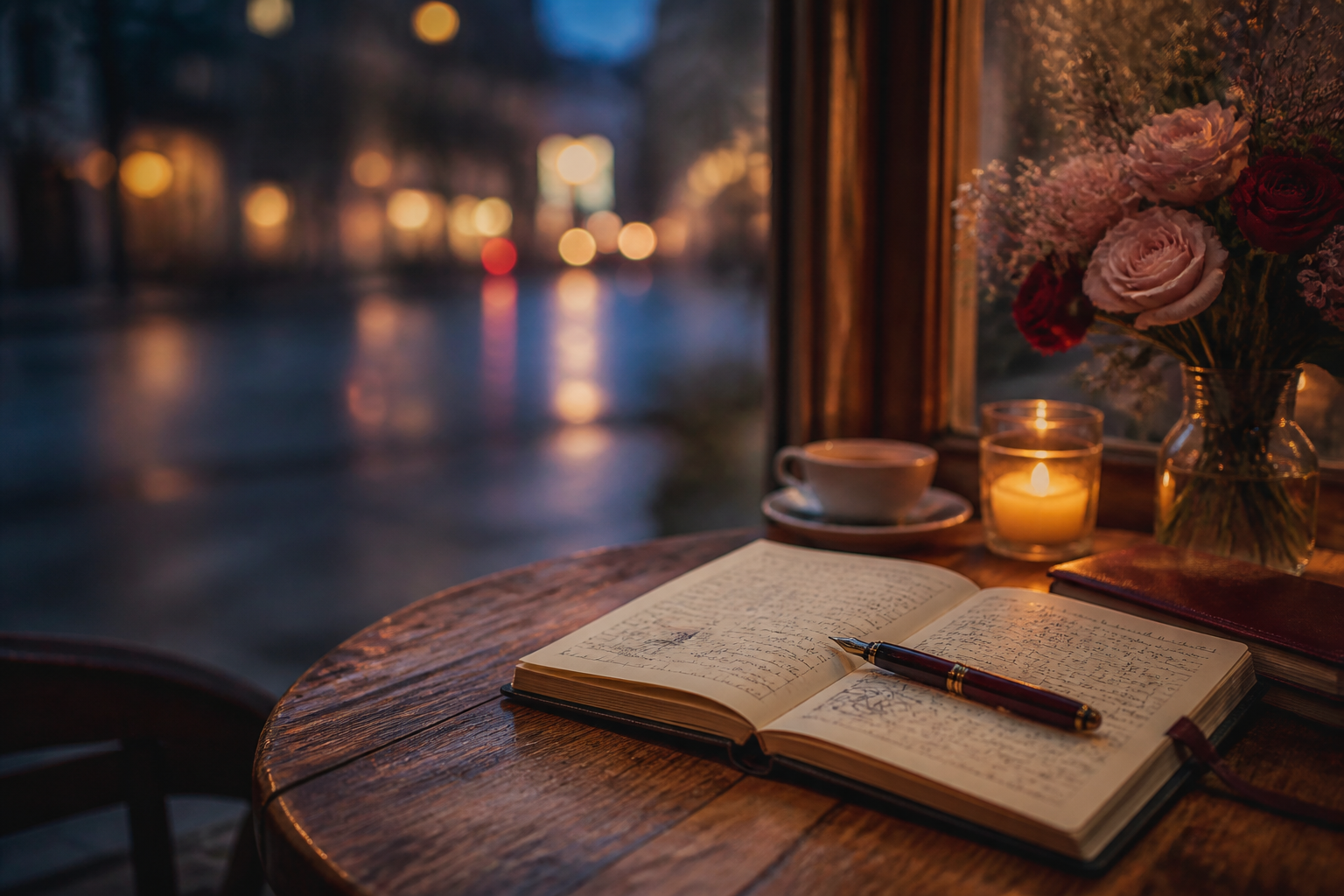
A language-learning notebook and fountain pen on a candlelit café table beside roses, with a softly blurred city street at dusk.
The right first book can turn a vague ambition into a language-learning plan.

YOUR READING PATH

Start with how to learn,
then build toward fluency.

This path is for adult beginners and returning learners who want more than a random stack of textbooks. Read from step one for a broad foundation, or begin with the question slowing you down now.

Your reading list0 of 5 steps saved
0%
An open language textbook, vocabulary notebook, headphones, coffee, and a single dried rose on a sunlit wooden desk.
A small, purposeful shelf can support every stage from first sounds to independent learning.
01Start here

Begin with a method you can sustain

  • Choose Fluent Forever if you want a modern, memory-led system with attention to pronunciation and recall.
  • Choose How to Learn Any Language for an energetic, experience-based overview of fitting language study into ordinary life.
  • Either book works best as a menu of ideas: keep the techniques that suit your language, schedule, and learning style.
02Learning science

Understand how adults become fluent

  • Becoming Fluent translates cognitive-science research into approachable advice for adult learners.
  • Read it when you want to understand memory, age, practice, and why adult learning is different—not doomed.
  • Pair the ideas with audio from your chosen language; this is a book about learning, not a language-specific course.
03Guided practice

Add structured, language-specific practice

  • A comprehensive workbook is useful once you want guided exercises, grammar review, and a dependable study sequence.
  • The Practice Makes Perfect all-in-one series is a practical pick for French; look for the equivalent, current workbook from a reputable publisher for another language.
  • Use this step for doing, not only reading: complete a short section and turn its vocabulary into sentences you might actually say.
04Strategy

Choose strategies for real conversation

  • Rebecca Oxford’s academic volume is the most specialised recommendation here and suits teachers, researchers, and serious self-directed learners.
  • It examines why learning strategies work differently across people and contexts, helping you choose techniques with more care.
  • If you want a light beginner read, save this one for later; if you want depth on learner differences, this is the shelf to visit.
05Next steps

Use a framework to choose what comes next

  • The Common European Framework of Reference describes language ability through practical ‘can do’ outcomes across listening, speaking, reading, and writing.
  • It is a reference work rather than a motivational cover-to-cover read; use the relevant sections to identify your current range and next milestone.
  • Treat levels as planning tools, not verdicts on intelligence or belonging.

HOW TO USE THIS READING PATH

Read one idea,
then test it.

Books about language learning are most useful when they change what you do with the language. Keep the reading short enough to leave time for practice.

  1. 01Read one chapter with a specific learning problem in mind.
  2. 02Choose one technique from the chapter and test it for a week.
  3. 03Keep, adapt, or replace the technique based on what actually helped.

BOOK RECOMMENDATION LIBRARY

Choose your next
reading path.

Browse by topic or search for something you want to learn, change, or understand. Each path puts a small group of useful books in a sensible reading order.

7 reading paths found
Browse every handpicked reading path.
Fiction6 steps

11 Best Books Like The Odyssey After the Movie

Gods, monsters, dangerous voyages, doomed romance, and modern Greek mythology for anyone who left the cinema wanting another adventure. This spoiler-light guide helps you choose by the part of the story you loved most.

Explore books
Fiction4 steps

Why Did Odysseus Hurt the Cyclops Polyphemus, the One-Eyed Giant?

The blinding was an escape plan; the boasting that followed was a dangerous act of pride. This concise guide separates those choices, explains the consequences, and pairs each part of the episode with a relevant book.

Explore books
Fiction6 steps

The Odyssey Movie vs. Homer’s Book: 6 Key Differences

Christopher Nolan keeps the voyage, monsters, and return to Ithaca, but changes how the story begins, what drives Odysseus, how the gods act, and where the ending leaves him. This full-spoiler guide compares the film with Homer’s 24-book epic poem.

Explore books
Language5 steps

The best books for learning a new language

Start with a learning method, then explore sound, useful vocabulary, conversation, and progress. Each step pairs a common learner question with books that can help.

Explore books
Communication5 steps

The best books for becoming a better communicator

A five-part reading path through structured thinking, concise writing, persuasion, sound reasoning, and storytelling—with a clear reason to choose every title.

Explore books
Health4 steps

Books for understanding healthy weight management

A careful reading path through metabolism, appetite, food environments, and nutrition. These books offer perspectives for understanding—not a diagnosis, prescription, or promise of weight loss.

Explore books
Lifestyle5 steps

Books for a thoughtful, French-inspired life

A reading path through gathering, everyday movement, personal style, rest, and modern French identity—chosen to add nuance to the fantasy, not sell it as a rulebook.

Explore books